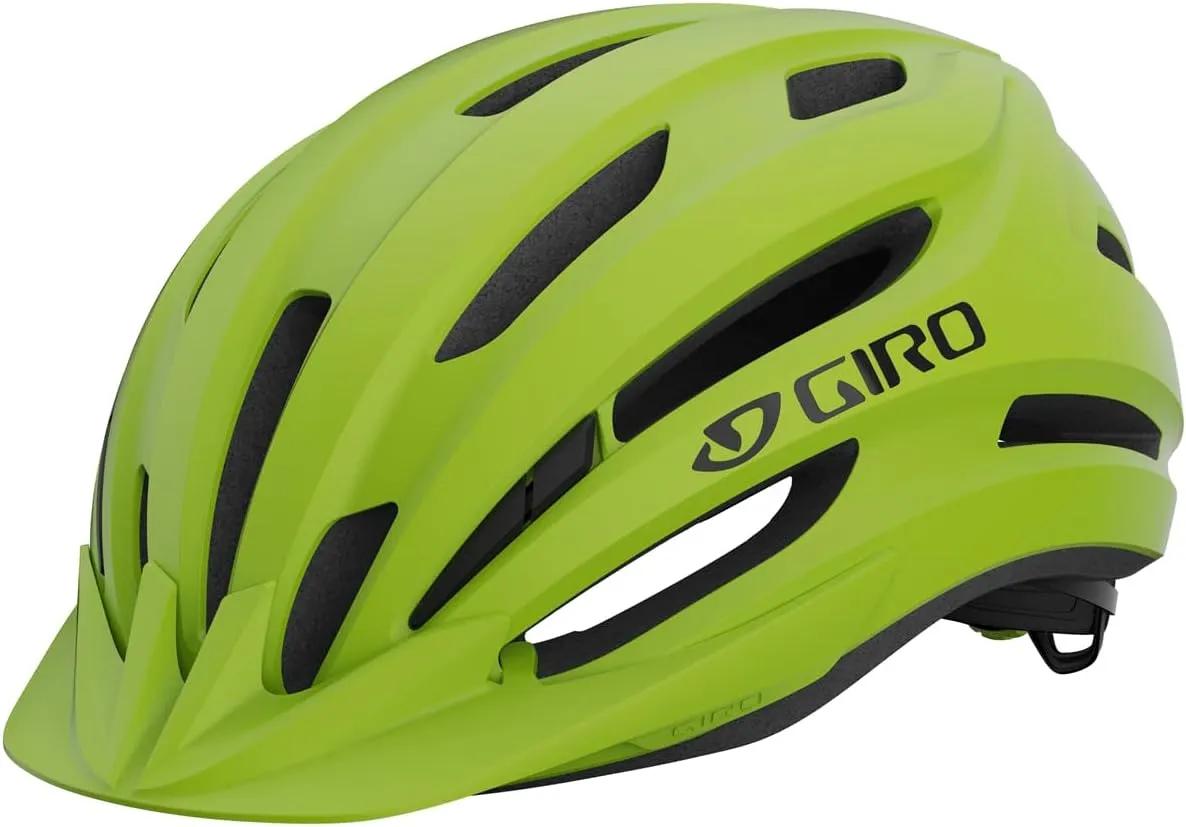
Giro
Register II MIPS
Everyday adult helmet with MIPS and a simple dial fit.
Universal Adult, 54–61 cm
View on AmazonPrice and availability on Amazon
Cross-brand fit
Bike labels are shortcuts, not measurements. Use this page to translate common Trek, Giant, and Specialized labels into a starting range, then confirm the exact model geometry.
01
Pick type
Choose road, gravel, or mountain to see how five major brands label each rider height.
02
Find height
Locate your height range to see Trek, Giant, Specialized, Cannondale, and Canyon labels at once.
03
Compare labels
See how two brands label the same height range — one may say M while the other says 54.
Select a bike type and two brands to see how their size labels compare for the same height ranges.
Model comparisons
These pages map common search queries to a direct sizing comparison before opening the interactive tool.
Compare bike stack and reach
Pick two or three bikes and see published stack, reach, standover, and millimeter differences.
Trek Checkpoint vs Specialized Diverge Size
Compare Trek Checkpoint and Specialized Diverge sizing by height, stack, and reach before choosing a gravel bike size.
Trek Domane vs Specialized Roubaix Size
Compare Trek Domane and Specialized Roubaix sizing by height, stack, and reach before choosing an endurance road bike.
Giant Revolt vs Trek Checkpoint Size
Compare Giant Revolt and Trek Checkpoint sizing by height, stack, and reach before choosing a gravel bike size.
Model charts
These model pages pair height ranges with official geometry sources.
Trek Domane Size Chart
Find a Trek Domane size by rider height, stack, reach, and official geometry source before choosing an endurance road bike.
Trek Madone Size Chart
Trek Madone size chart by height and inseam for XS, S, M, ML, L, and XL, with published stack, reach, and standover for every size.
Trek Émonda Size Chart
Find your Trek Émonda size by height and inseam, then compare stack, reach, and standover for every size from 47 to 62 cm.
Trek Checkpoint Size Chart
Find a Trek Checkpoint size by rider height, stack, reach, and official geometry source before choosing a gravel bike.
Trek Marlin Size Chart
Trek Marlin size chart for the Marlin 4, 5, 6 and 7 Gen 3: rider height and inseam for XS to XXL, plus published stack, reach, and standover for every size.
Giant Revolt Size Chart
Find a Giant Revolt size by rider height, stack, reach, and official geometry source before choosing a gravel bike.
Giant Defy Size Chart
Find a Giant Defy size by rider height, stack, reach, and official geometry source before choosing an endurance road bike.
Giant TCR Size Chart
Find your Giant TCR size by height, then compare stack, reach, and standover for every size.
Specialized Diverge Size Chart
Specialized Diverge size chart by height: 54 fits 167-175 cm, 56 fits 173-181 cm. Compare adjacent sizes, then Checkpoint and Revolt stack and reach.
Specialized Roubaix Size Chart
Find a Specialized Roubaix size by rider height, stack, reach, and official geometry source before choosing an endurance road bike.
Specialized Allez Sprint Size Chart
Specialized Allez Sprint size chart by height: 54 fits 170-175 cm, 56 fits 175-183 cm. Stack, reach, and standover for all six sizes, plus the 54-to-56 step.
Trek FX Size Chart
Trek FX size chart for the FX 2 Disc Gen 3 and FX 3 Disc Gen 3: rider height and inseam for XS to XXL, plus published stack, reach, and standover for every size.
Cannondale Quick Size Chart
Cannondale Quick size chart: XS to XL by rider height, with published stack, reach, and standover for every size.
Specialized Rockhopper Size Chart
Specialized Rockhopper size chart: XS to XXL by rider height and inseam, with published stack, reach, and standover for every size.
Specialized Stumpjumper Size Chart
Specialized Stumpjumper size chart: S1 to S6 by rider height, with published stack, reach, and standover for every S-Size.
Specialized Sirrus Size Chart
Specialized Sirrus size chart: XXS to XXL by rider height, with published stack, reach, and standover for every size.
Trek Verve Size Chart
Trek Verve size chart for the Verve 1, 2 and 3 Lowstep: rider height and inseam for XS to L, plus published stack, reach, and standover for every size.
Specialized Allez Size Chart
Specialized Allez size chart: 44 to 61 cm by rider height, with published stack, reach, and standover for every size.
Specialized Epic Size Chart
Specialized Epic size chart: XS to XL by rider height, with published stack, reach, and standover for every size.
Giant Talon Size Chart
Giant Talon size chart: XS to XL by rider height, with published stack, reach, and standover for every size.
Giant Escape Size Chart
Giant Escape size chart: S to XL by rider height, with published stack, reach, and standover for every size.
Canyon Endurace Size Chart
Canyon Endurace size chart: 2XS to 2XL by rider height, with published stack, reach, and standover for every size.
Cannondale Topstone Size Chart
Cannondale Topstone size chart: 47 to 61 cm by rider height, with published stack, reach, and standover for every size.
Comparison guide
A 54 from Trek and a 54 from Cannondale can feel different. Always compare the height range each brand publishes for that size.
Numeric road sizing (51, 52, 54, 56, 58) maps predictably across Trek, Specialized, and Cannondale. Canyon and Giant use letter sizing which overlaps more.
Gravel bikes prioritize control and clearance, so the same rider height can land in S or M depending on the brand's geometry philosophy. Canyon M often covers what others split across two sizes.
For mountain bikes, reach in millimeters tells you more than whether the frame says S, M, or L. Two M frames from different brands can feel completely different on the trail.
Between brands
Brand labels are a starting point. Stack, reach, and standover explain what a size chart alone cannot.
Use height as your first filter
All five brands publish height ranges. Start there, then check if your height sits near the edge of a range where two sizes overlap.
Check standover second
If one brand's geometry forces a different size, trust standover clearance over the label — especially for gravel and mountain bikes where dismounts happen more often.
Compare stack and reach last
Two brands can recommend the same label for you but design it with different stack and reach. If you have a bike that fits, compare its geometry as the anchor.
Helmet, light, lock, bottle, and a pant-leg strap. Size the bike here; buy the complete adult bike at a shop.
Giro
Everyday adult helmet with MIPS and a simple dial fit.
Universal Adult, 54–61 cm
View on AmazonPrice and availability on Amazon
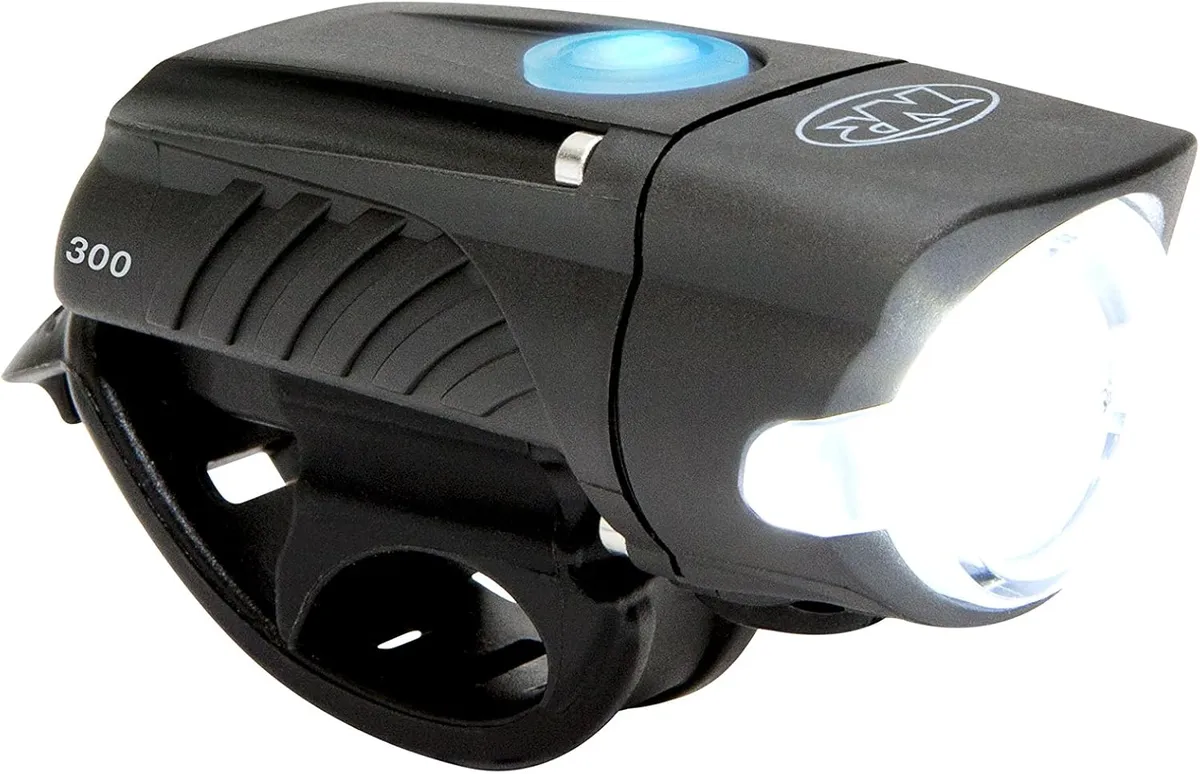
NiteRider
Compact USB headlight for commuting and dusk rides.
Handlebar mount, 300 lumens
View on AmazonPrice and availability on Amazon
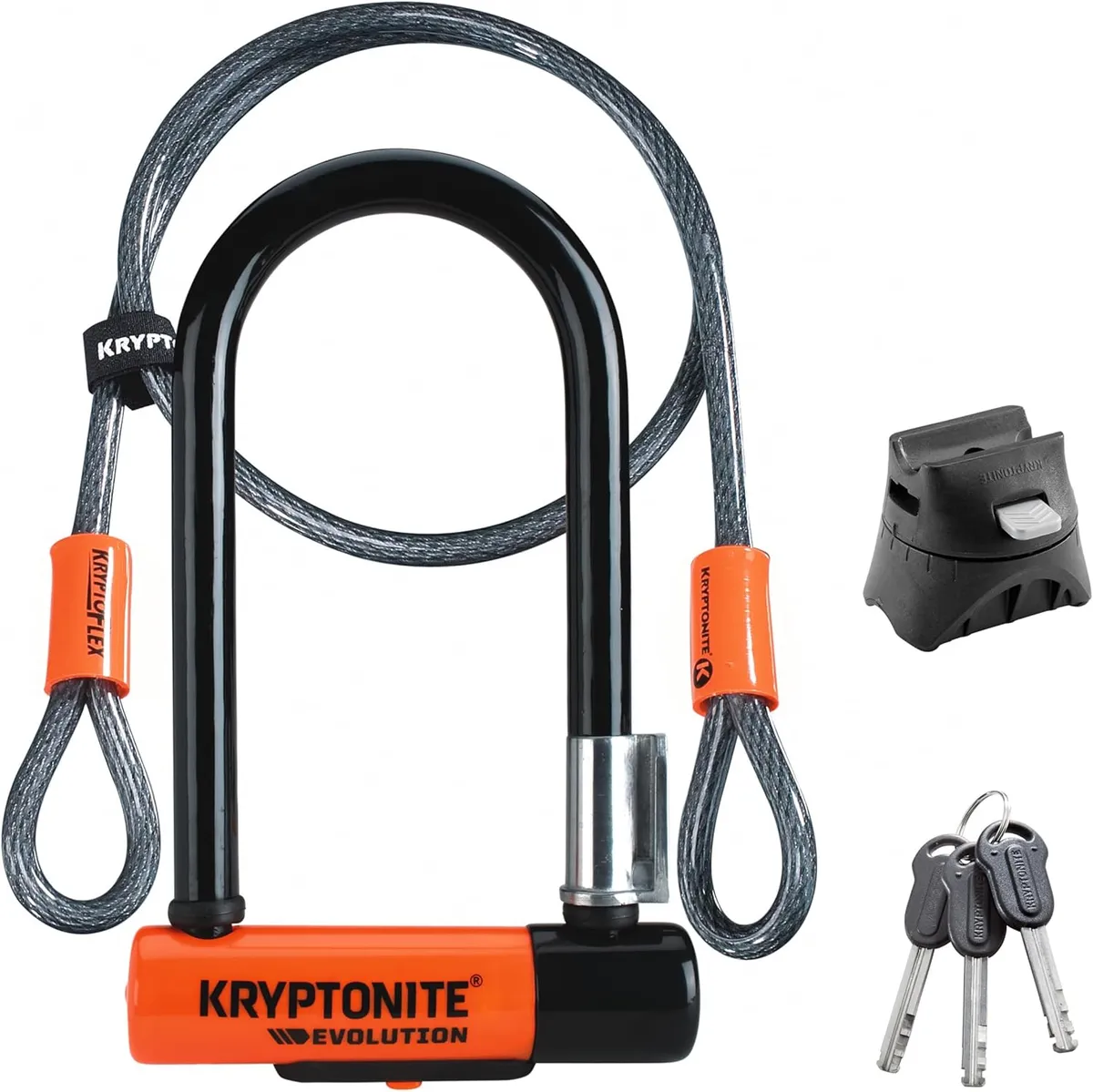
Kryptonite
Hardened U-lock plus a cable for wheels or a locked-together pair.
Fits most road, gravel, and hybrid frames
View on AmazonPrice and availability on Amazon
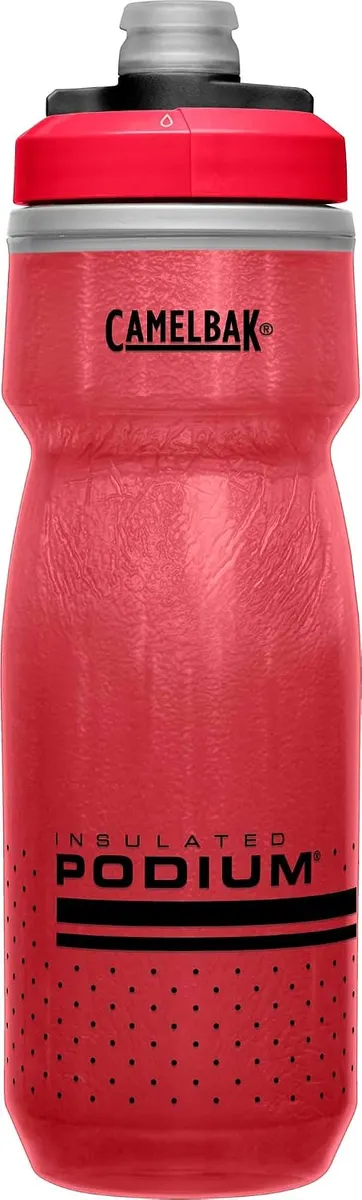
CamelBak
Insulated squeeze bottle for everyday rides.
Fits a standard ~73 mm cage
View on AmazonPrice and availability on Amazon
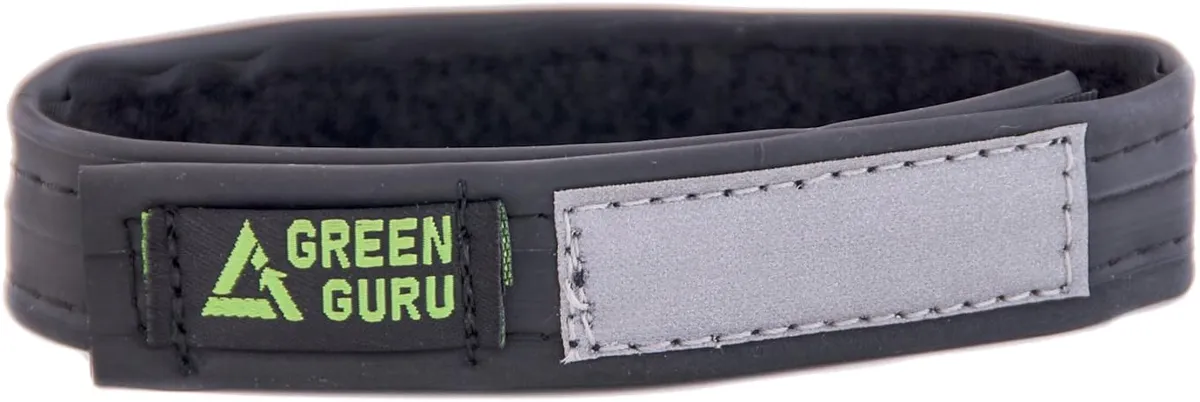
Green Guru
Upcycled inner-tube strap that keeps a pant leg off the chain.
Adjustable hook-and-loop, about 16 in long
View on AmazonPrice and availability on Amazon
As an Amazon Associate we earn from qualifying purchases. Affiliate disclosure.
Sizing notes
A 56 can feel longer and lower in one brand, and more upright in another because stack and reach differ.
Road, gravel, and mountain bikes use different fit priorities, so cross-brand comparison only works within the same category.
If you already own a comfortable bike, compare stack, reach, and standover against the new frame.
Trek M/54, Giant M, and Specialized 54 often target a similar rider height, but endurance and race models can still feel different.
If two gravel sizes both fit your height, the smaller option can feel easier on loose surfaces while the larger option can feel calmer on long paved transfers.
For mountain bikes, reach, wheel size, and riding terrain usually matter more than whether the label says S, M, or L.
If the top tube feels too high or the bike is hard to dismount, choose the safer frame even when the height chart points larger.
Short answers for choosing a size before purchase.
No. They may target a similar height range, but geometry and fit posture can differ.
Compare height range, standover, stack, reach, and riding posture rather than size labels alone.
Not exactly. Both are middle sizes between medium and large, but each brand sets its own reach, stack, and height range.
Brands use different naming systems. A rider can be a Trek M/L, Giant M/L, and Specialized 56 because the labels describe ranges, not identical geometry.
Only as a rough starting point. Gravel bikes usually add tire clearance and different handling priorities, so reach and standover need a separate check.
If you have a bike that fits, stack and reach are the best geometry anchors. If you do not, start with height and inseam, then check standover.