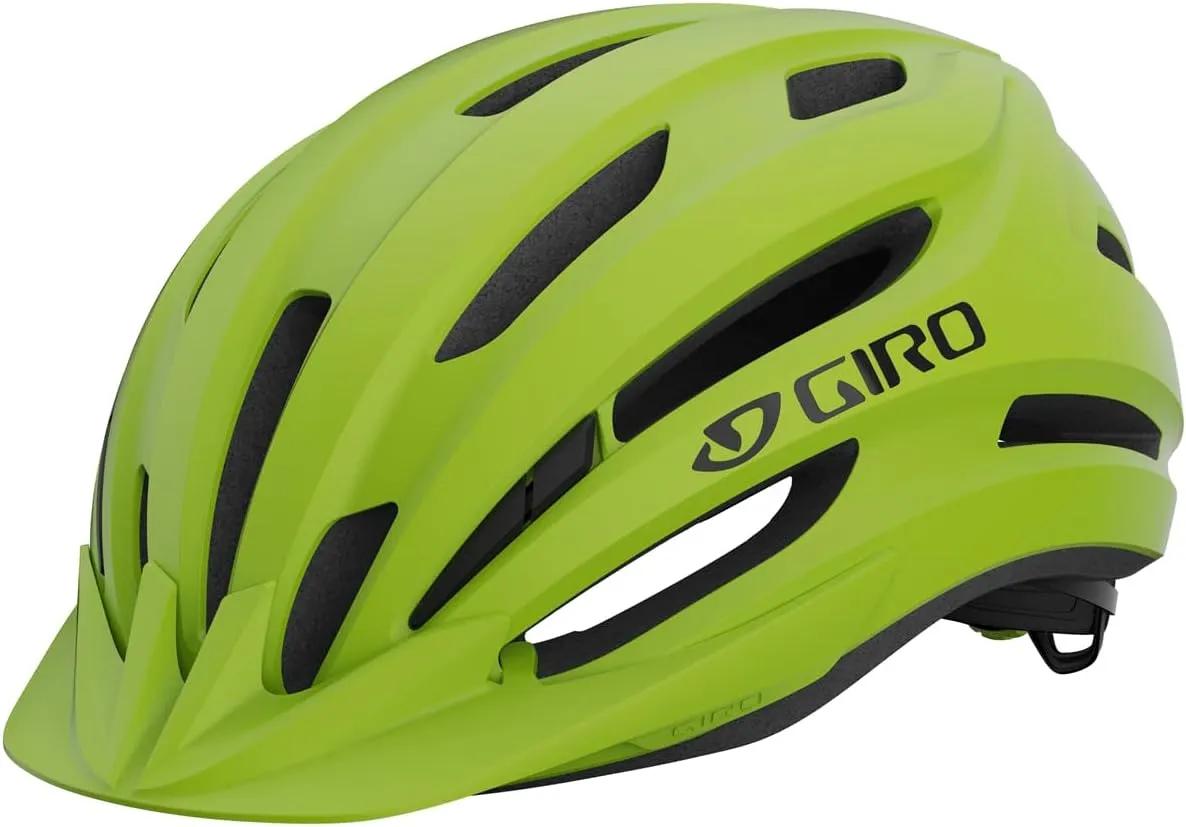
Giro
Register II MIPS
Everyday adult helmet with MIPS and a simple dial fit.
Universal Adult, 54–61 cm
View on AmazonPrice and availability on Amazon
Compare road, mountain, gravel, hybrid, and kids bike sizes by height and inseam. Use the calculator when you want a size from your own measurements.
Need the step-by-step process? How to choose a bike size covers bike type, height, inseam, standover, and reach before you compare a chart.
All bike types
Road, mountain, gravel, hybrid, and kids charts in one place.
Cm & inches
Every chart shows both metric and imperial measurements.
Brand charts
Jump from this table to Trek, Giant, and Specialized.
Each chart maps rider height and inseam to the recommended frame size. Use these as a starting range, then confirm with the calculator or a test ride.
Helmet, light, lock, bottle, and a pant-leg strap. Size the bike here; buy the complete adult bike at a shop.
Giro
Everyday adult helmet with MIPS and a simple dial fit.
Universal Adult, 54–61 cm
View on AmazonPrice and availability on Amazon
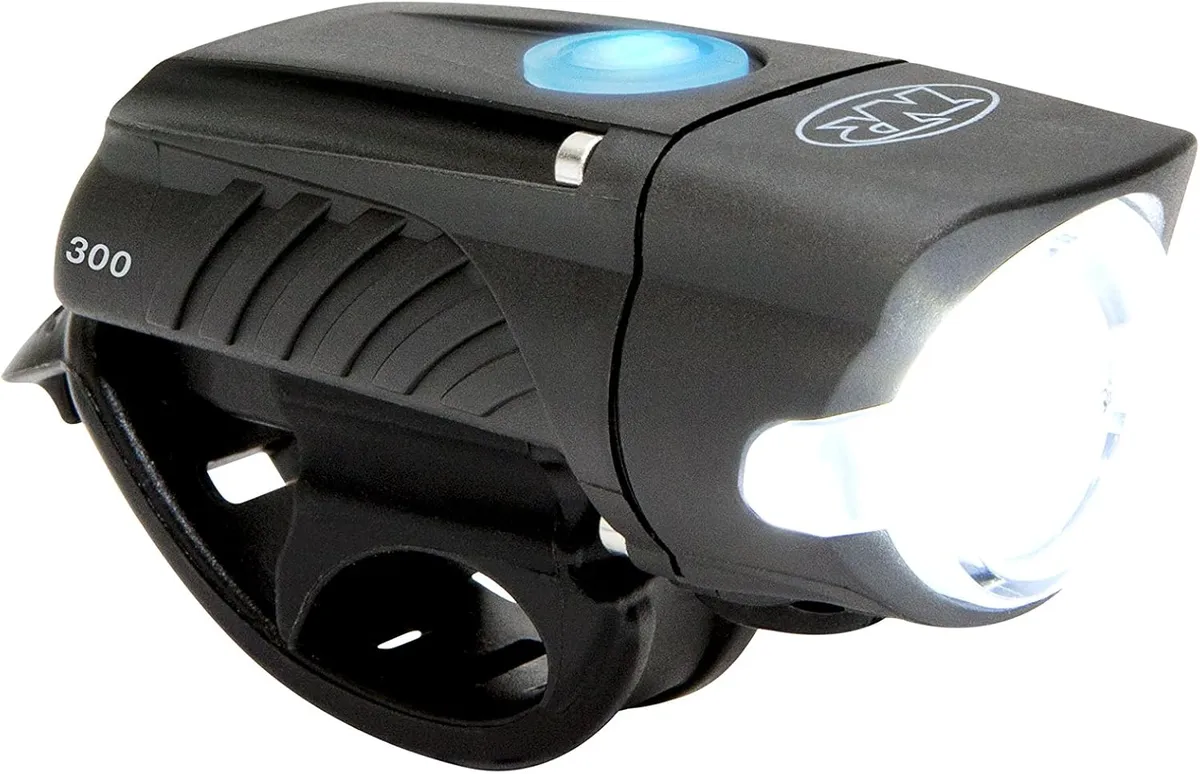
NiteRider
Compact USB headlight for commuting and dusk rides.
Handlebar mount, 300 lumens
View on AmazonPrice and availability on Amazon
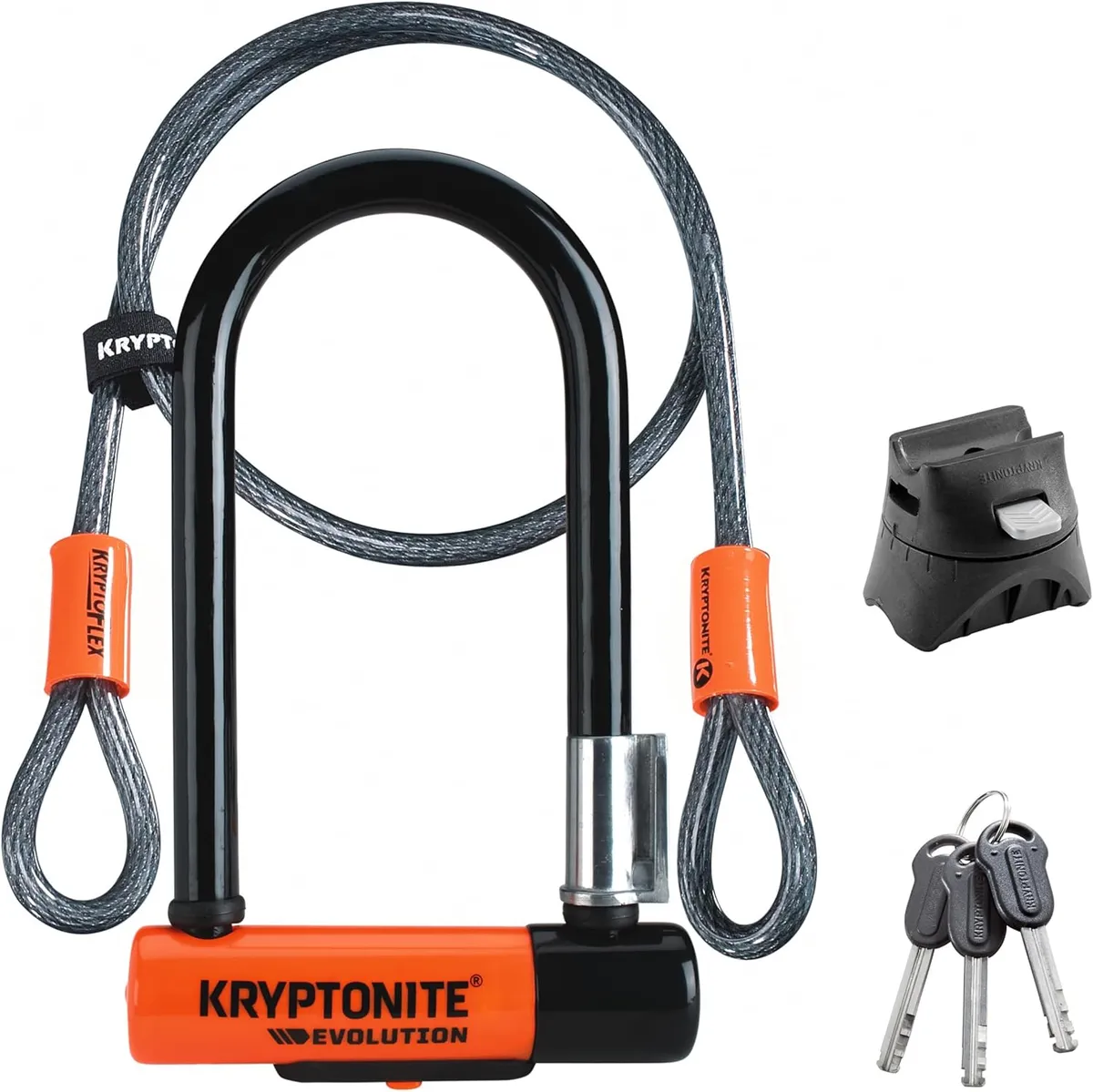
Kryptonite
Hardened U-lock plus a cable for wheels or a locked-together pair.
Fits most road, gravel, and hybrid frames
View on AmazonPrice and availability on Amazon

CamelBak
Insulated squeeze bottle for everyday rides.
Fits a standard ~73 mm cage
View on AmazonPrice and availability on Amazon
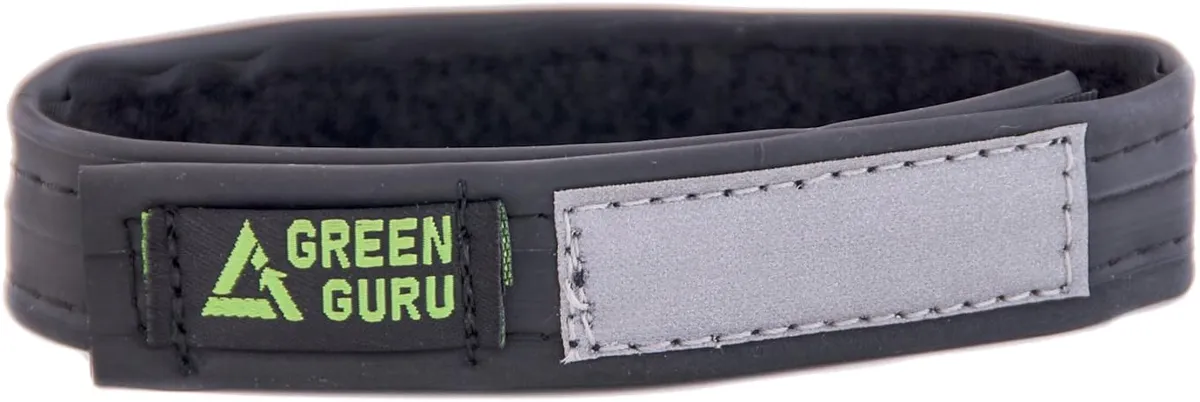
Green Guru
Upcycled inner-tube strap that keeps a pant leg off the chain.
Adjustable hook-and-loop, about 16 in long
View on AmazonPrice and availability on Amazon
As an Amazon Associate we earn from qualifying purchases. Affiliate disclosure.
Start with height. If two sizes overlap, use cycling inseam to choose.How to measure
Bike size calculator
Enter height and inseam, choose a bike type and brand, then come back to these tables.
Use height and cycling inseam with the tables above. See How to measure for the method, then how to choose a bike size for standover, reach, and brand charts.
Stand barefoot against a wall, heels touching. Place a book on your head, flat against the wall. Mark the wall at the bottom of the book. Measure from floor to mark in cm or inches.
Stand barefoot with feet 6-8 inches apart. Place a book between your legs, spine up, pressed firmly against your crotch (simulating saddle pressure). Measure from the top of the book to the floor. This is your cycling inseam — not your pants inseam.
Your inseam should be at least 2-3cm (about 1 inch) greater than the bike's standover height for road bikes, and 5-7cm (2-3 inches) for mountain bikes. This ensures you can stand over the top tube with both feet flat.
Sizing tips
Go smaller for a sportier, more aggressive position. Go larger for a more upright, comfort-oriented ride. Your inseam and flexibility should drive the final decision.
A 'Medium' in Trek is not the same as a 'Medium' in Giant or Specialized. Always match by the brand's published height range, not the size label.
Two riders of the same height can need different frame sizes if their inseams differ by more than 2 inches. Standover clearance is non-negotiable for safety.
The charts on this page give you a range. The calculator narrows it to one or two sizes by cross-referencing your height, inseam, bike type, and brand.
Want the full process instead of a lookup table? How to choose a bike size is the step-by-step guide; this page stays a chart.
Questions
Short answers for the most common bike sizing questions.
Pick the table for your bike type, match your height to a size range, then confirm with inseam. This page is a lookup chart. For the step-by-step process of how to choose a bike size, use the sizing guide.
On the road chart above, 169–178 cm maps to 54 cm (M) and 176–184 cm maps to 56 cm (M/L). Confirm with inseam, then check the exact brand chart before buying.
No. Trek M (54cm) ≈ Giant M ≈ Specialized 54cm by height range, but the actual frame geometry differs. Trek offers an ML half-size that Giant and Specialized don't. Always match by the brand's published height range.
Road bikes are typically sized in cm (frame size). Mountain and hybrid bikes are often sized in inches or alpha sizes (S/M/L). Kids bikes are sized by wheel diameter. Use the chart above for cross-reference.
Trust your inseam for standover safety first. If your inseam is short for your height, go with the smaller frame. If your inseam is long, you have more flexibility — prioritize reach and stack for your riding style.
On an adult mountain or hybrid frame, an inch label such as 17 or 19 is the traditional seat-tube measurement. It is a frame label, not a wheel diameter.
Both are possible. An adult mountain or hybrid inch label such as 17 or 19 describes the frame. Kids, BMX, and folding-bike inch labels such as 20 or 24 describe wheel diameter instead.
Read your height off the Height column, then confirm the Inseam column. Every table above lists rider height in centimeters and in feet and inches, so a feet-and-inches measurement reads straight off the same row.
Read the mountain table above: the letter label and the traditional inch label sit on the same row, and the Inseam column confirms the range. Then check standover and reach on the exact model, because the same inch label covers different geometry across brands.