
On this page
01
Measure before you use any chart
Charts are only as good as the numbers you put into them. Start with height. Cycling inseam tells you whether you can stand over the bike. Arm reach is optional and does not choose S, M, or 54cm.
Height
Take shoes off and stand tall, looking straight ahead. A helper should rest a flat object on the crown of your head, then run a tape from the floor to the underside of that object. Save the number in inches and centimeters — charts use both.
Inseam
Ignore the tag inside your pants. Bike inseam is floor-to-crotch in a riding stance. Straddle a broomstick or dowel, lift it into the groin until it sits firmly, and measure the stick's height from the floor. A second person makes this less awkward.
Measuring the frame is a separate job. How to measure a bike frame covers seat tube length, effective top tube, and standover.
Arm reach (optional / advanced fit)
Skip this unless you are comparing road handlebars. Raise one arm to the side with the elbow locked, then measure the outer shoulder bone to the tip of your middle finger. Frame reach is a different number on the geometry chart. Height and inseam still choose 54cm or M; arm span does not.
02
How bikes are sized
Adult bikes are sized by the frame. Kids bikes are sized by the wheel. Road and gravel usually use centimeters. Mountain and hybrid bikes usually use letters or inches. There is no universal chart that covers every brand.
Adult bike sizing vs kids bike sizing
On an adult bike the label is the frame: 54cm, Medium, 17". On a kids bike the label is the wheel: 12", 16", 20", 24". Children around 12 and under almost always need a wheel-size bike. When a child outgrows 24" or 26", move them onto an adult XS using the mountain or hybrid chart — not another wheel diameter.
Women's bike sizing
Men and women use the same adult size charts on this page. Some brands sell women-specific models with a shorter reach, a different saddle, or narrower bars. Those parts change comfort. They do not create a second set of S/M/L or 54cm labels. Measure height and inseam, then read the overview and the full chart for the bike type you will ride.
Road bike sizing vs mountain bike sizing
Seat-tube length used to decide the size. Modern frames have sloping top tubes, so that number no longer tells you much. Road brands kept centimeter labels. Mountain brands moved to XS–XXL and, on some models, numbered sizes. Do not copy a road 54cm onto a mountain Medium.
03
Quick bike size overview
These are starting ranges only. Exact sizing depends on bike type, brand and model geometry.
Starting size by height
Kids starting wheels
Starter kit
The size is a starting point, not a bike recommendation. Buy the complete adult bike at a shop that can let you stand over the frame.
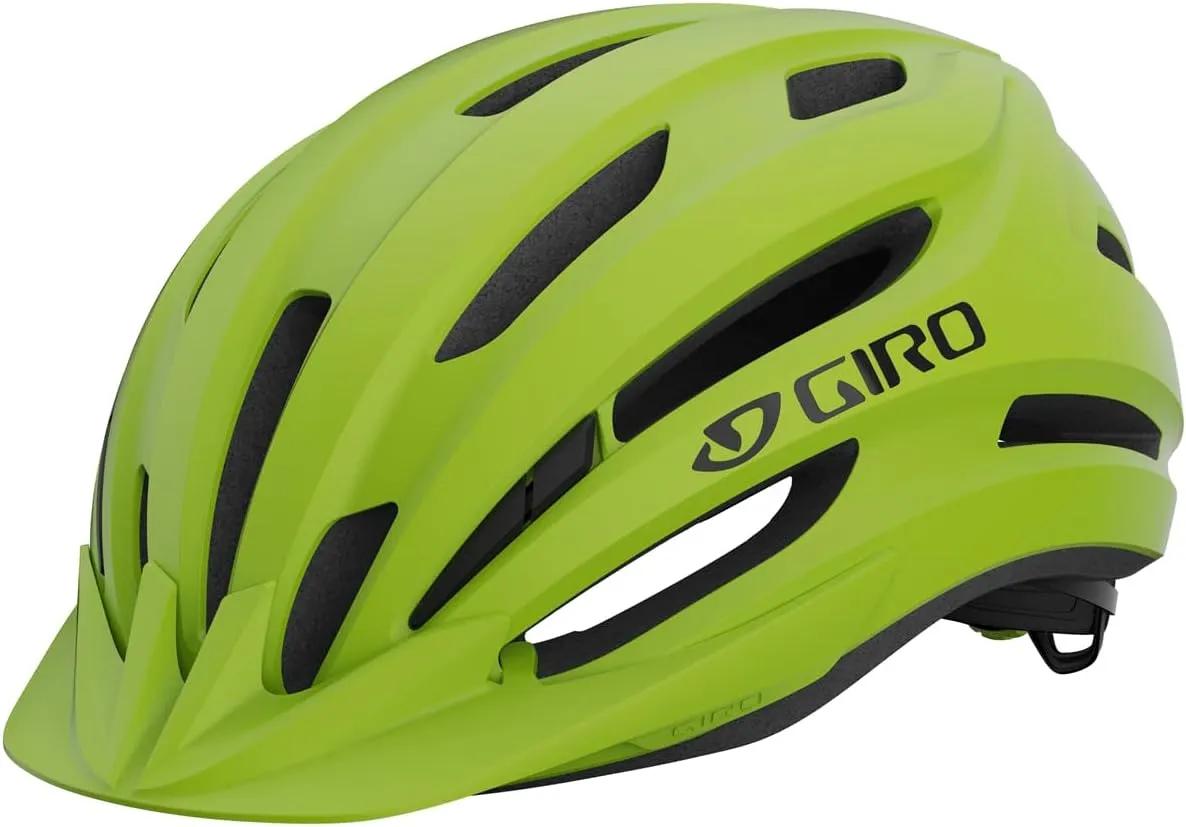
Giro
Register II MIPS
Universal Adult, 54–61 cm
View on AmazonPrice and availability on Amazon
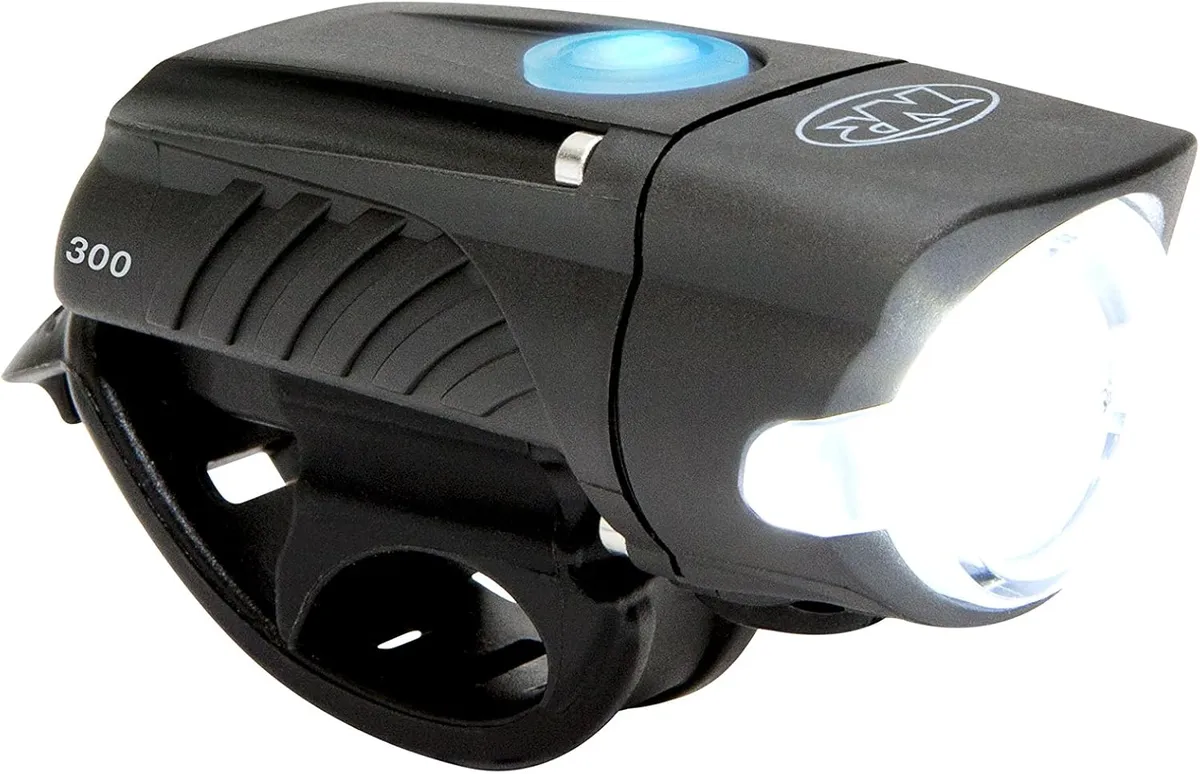
NiteRider
Swift 300
Handlebar mount, 300 lumens
View on AmazonPrice and availability on Amazon
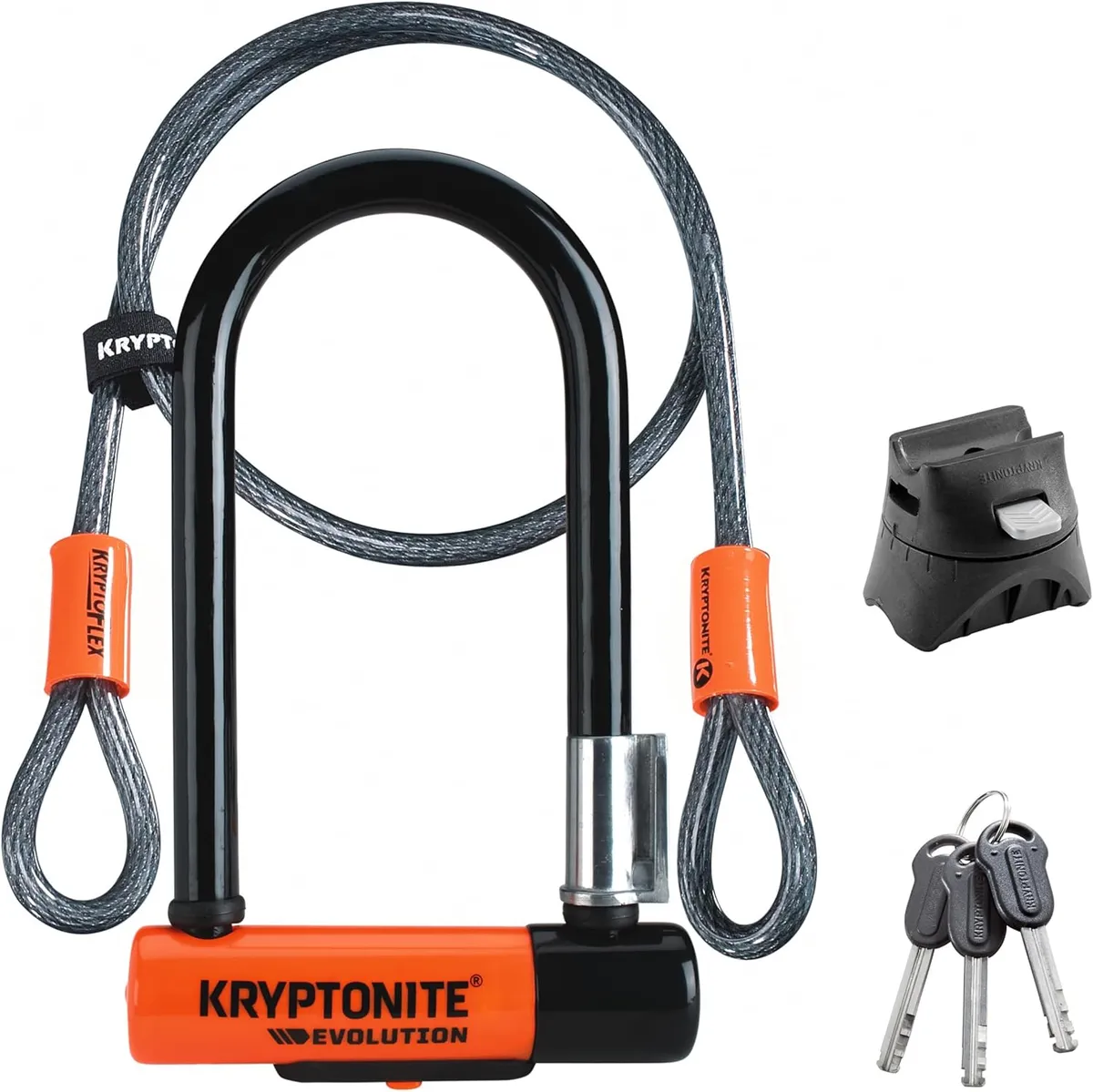
Kryptonite
Evolution Mini-7 with 4′ cable
Fits most road, gravel, and hybrid frames
View on AmazonPrice and availability on Amazon

CamelBak
Podium Chill 21 oz
Fits a standard ~73 mm cage
View on AmazonPrice and availability on Amazon
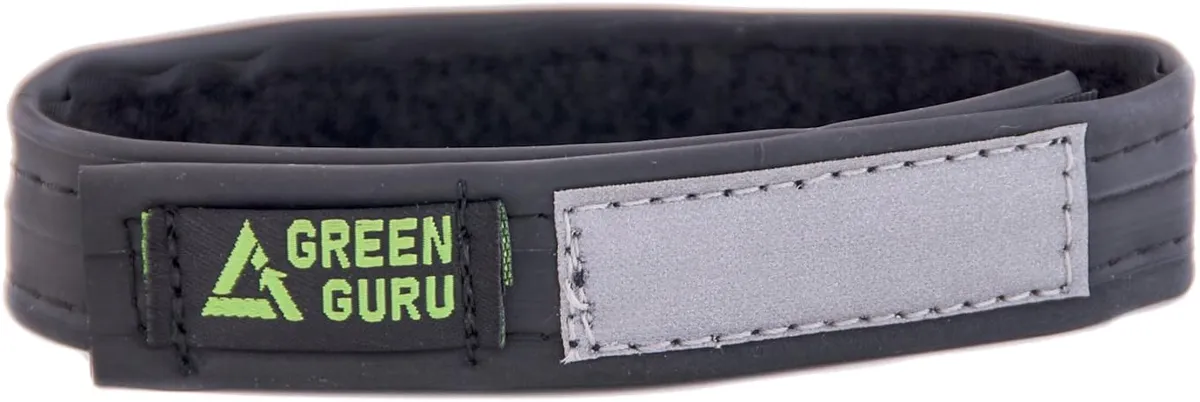
Green Guru
Narrow pant-leg strap
Adjustable hook-and-loop, about 16 in long
View on AmazonPrice and availability on Amazon
As an Amazon Associate we earn from qualifying purchases. Affiliate disclosure.
04
How road bikes are sized
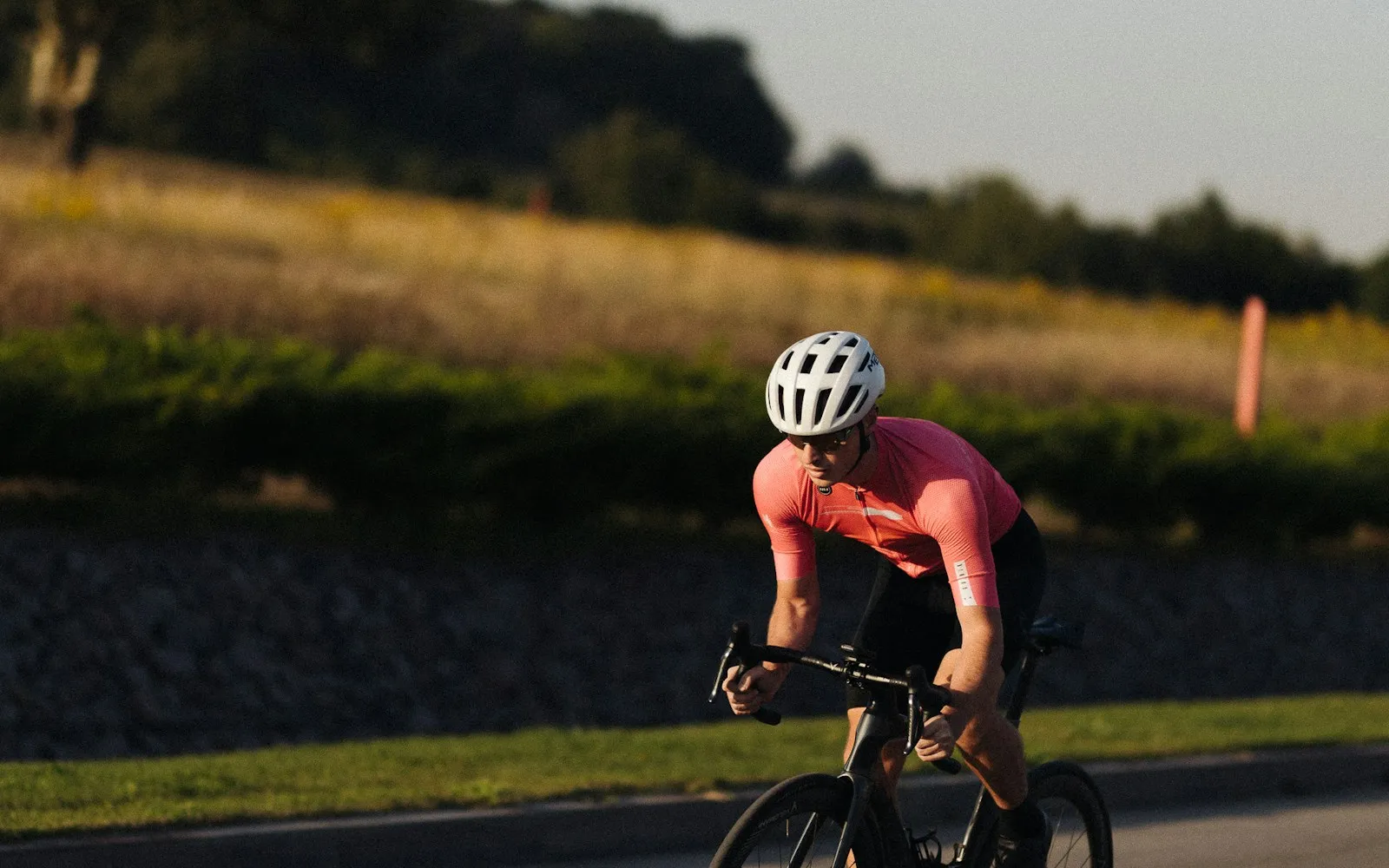
Road bikes use centimeter labels such as 49, 52, 54, 56, and 58. Those numbers are not the same across Trek, Giant, and Specialized. Height and inseam get you to a starting size. Stack and reach decide whether that size actually fits. Plan on about 2–3cm (around 1") of standover. A used bike's seat-tube sticker is only a ballpark.
Size up if
- Your wingspan is longer than your height and the bars still feel within reach. Wingspan does not replace your height
- You want a calmer, more endurance-oriented position
Size down if
- Standover is tight, or the bars already feel far away
- You sprint out of the saddle and want a bike that is easier to move around
05
How mountain bikes are sized
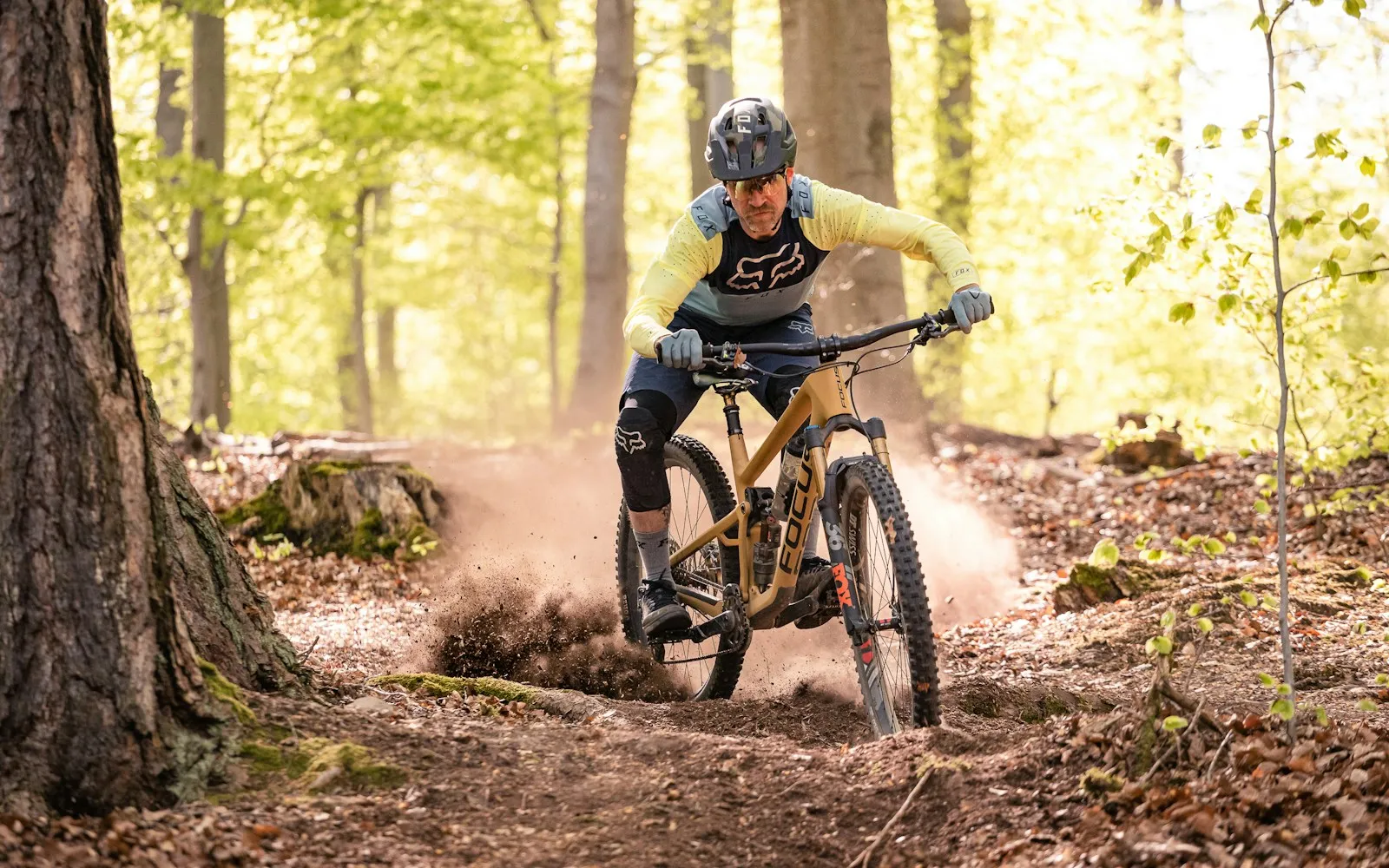
Mountain bikes are usually XS–XXL, or Specialized S-Sizing. Do not copy a road 54cm onto a mountain Medium. Modern reach is the useful number. Plan on 5–10cm (2–4") of standover. Wheel size (27.5" vs 29") is not the frame size. Pick the frame first, then the wheel you can handle.
Size up if
- You ride aggressively, want a longer reach, and prefer stability on descents
- Your wingspan is greater than your height, and you are flexible enough to move on the bike
Size down if
- You prefer to sit more upright, ride conservatively, or want quicker handling
- You would rather go around obstacles than over them
06
How hybrid bikes are sized

Hybrid, fitness, and commuter bikes sit more upright than road bikes. Most use Small/Medium/Large; a few still use inches. Being able to stand over the bike and put a foot down at lights matters more than an aggressive road position. Use the hybrid bike size chart.
Size up if
- You have long arms or long legs, or the larger size comes with wheels you prefer
Size down if
- You have a longer torso but an average or shorter arm span, or you need an easier time starting and stopping
07
How gravel bikes are sized
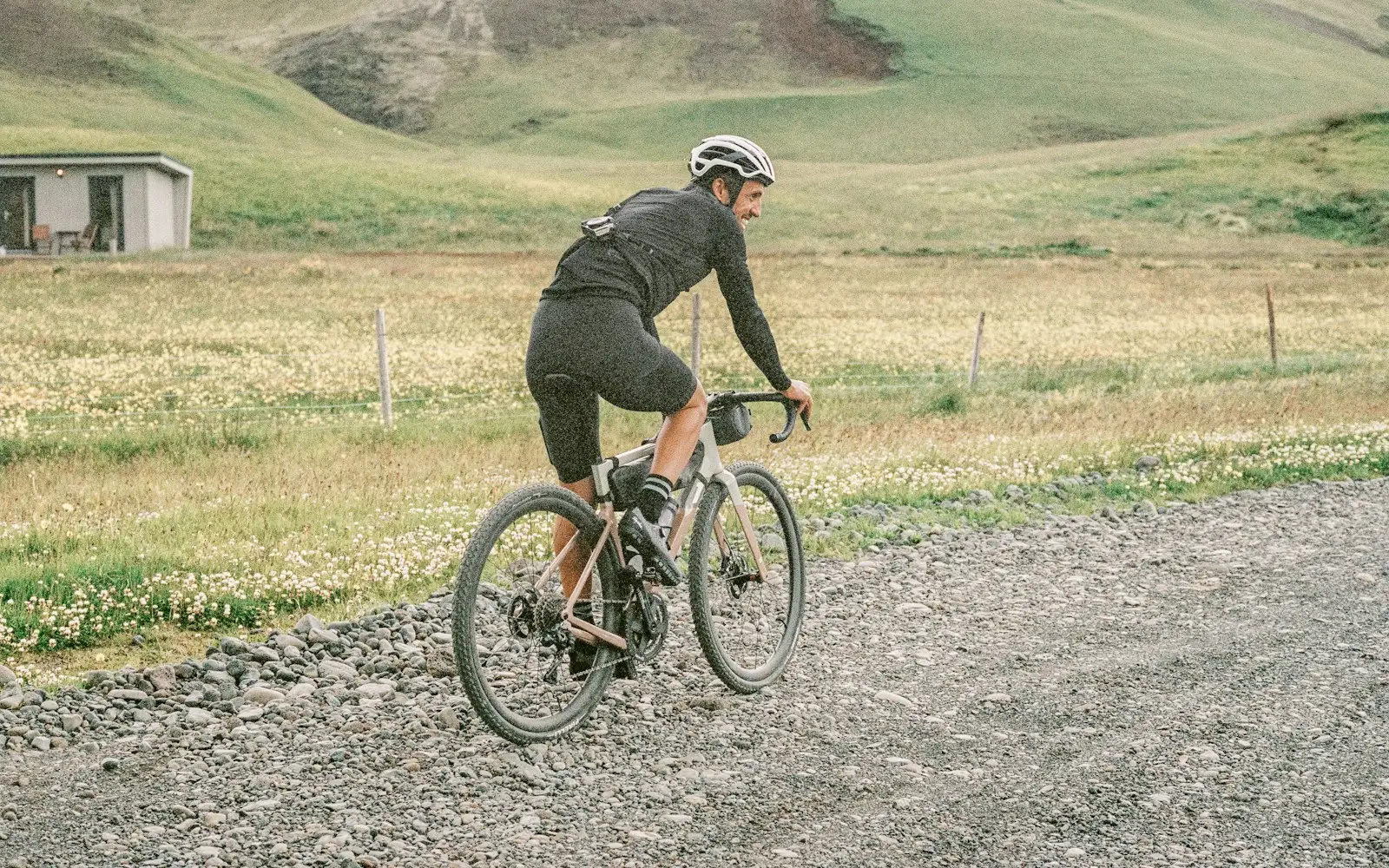
Gravel labels look like road, centimeters or S/M/L, but a road 54cm is not automatically a gravel 54cm. You usually want more top-tube clearance and a slightly more upright position. If two sizes fit, compare standover, stack and reach on the exact model. The smaller size generally provides a more compact fit and more clearance, while the larger size generally gives a longer cockpit. Choose based on the exact bike geometry rather than the size label alone.
Size up if
- Standover is easy and you want a more stable bike with bags or on fast dirt
Size down if
- You want quicker handling on loose ground, or standover is already close
08
How kids bikes are sized

Ignore adult frame labels. Kids bikes are sized by wheel diameter from 12" through 26". Height and inseam pick the wheel. Age is only a secondary clue. The child must start, stop, and reach the brakes. Do not buy a bigger bike for growth if they cannot handle it today.
Size up if
- They feel confident on the bigger size and can start, stop, and reach the brakes
Size down if
- They are less confident, or they cannot sit and still reach the ground to start and stop
09
Check the bike, not just the label
A size label is a starting point. Before you buy, check the actual bike: standover, leg extension, and reach. Then read the brand chart for that model year.
Standover clearance
Straddle the bike. You should have space above the top tube: about 2–3cm for road, 3–5cm for gravel, and 5–10cm for mountain. Pull the bike up until the top tube touches; if you can lift the wheels an inch or more, clearance is usually enough. If your shoes scrape the tube, go smaller or pick a different model.
Stack and reach
Stack is how tall the front of the bike sits. Reach is how long the cockpit is. Two bikes with the same 54cm label can differ by 10mm or more. When you are between sizes, compare those two numbers on the exact model instead of guessing from the label.
Leg extension
At the bottom of the pedal stroke you want about a 15–20° bend in the knee — not locked straight, not overly bent. Another check: with your heel on the pedal at the bottom, the leg should be nearly straight. If the seatpost is already maxed out and the knee is still bent, you need a larger frame.
Reach to the bars
Sit in the saddle with a slight bend in the knee at the bottom of the stroke. Your arms should be relaxed, not locked. Too long feels like you are falling forward. Too short feels cramped in the hips and shoulders. This is the bike's reach, not the arm-span measurement above.
Brand sizes are not standardized
Trek M is not Giant M and not Specialized 54cm. Match the published height range for the exact bike, then use inseam and the checks above. If the bike is expensive or you are stuck between sizes, ride it or see a fitter.
Pick the smaller size
Your inseam is on the short side of the row, standover is tight, you want quicker handling, or you are new to gravel or mountain bikes. A smaller frame is easier to stand over and usually easier to control.
Pick the larger size
Standover is easy, your inseam is long for your height, and you want a more open, stable position. Only size up if the handlebars still feel within reach. A bigger frame with a long reach will feel stretched, not more comfortable.
If you are new to bikes
Prioritize standover and being able to put a foot down. Do not size up to grow into the bike. A slightly smaller frame you can handle is safer than a larger one that only looks right on a chart.
If you are a shorter rider
Start at the smallest size that still lets your leg extend at the bottom of the pedal stroke. Look for XS or compact geometry. Buying a larger size to grow into usually leaves you with too much standover and a reach you cannot relax into.
If you are a taller rider
The label XL does not mean the bike exists in a size that fits you. Check whether the model offers XL or XXL, then compare stack and reach. A Large with higher handlebars can fit better than an XL that stretches you out.
Common mistakes
Copying a road size onto a mountain bike
A road 54cm is not a mountain Medium. The labels measure different things. Start from the chart for the type you will ride.
Buying a kids bike by age only
Two 8-year-olds can need different wheels. Height, inseam, brake reach, and confidence decide. Age is a clue, not a size.
Assuming the larger size is more comfortable
A larger frame is longer, not automatically easier. If standover is tight or the bars already feel far, the smaller size is usually the safer starting point.
10
Bike sizing FAQ
Common bike sizing questions.
What size bike do I need?
Measure your height and cycling inseam, match the starting chart for your bike type to one or two sizes, then confirm standover and reach on the bike you will ride. The final label depends on the brand and model, not on S, M, or 54cm alone.
How do I choose a bike size?
Measure, pick the type of bike, match your height on the chart, then decide between two sizes with standover and reach to the bars. Finish on the manufacturer's current chart for that model year.
How to choose a bike size if I only know my height?
Height gives the first range. On a typical road chart, 169–178 cm maps to 54 cm (M) and 176–184 cm maps to 56 cm (M/L). Inseam and bike type decide which of the two overlapping sizes is safer.
What size bicycle do I need for my height?
Decide the type of bike first. Road and gravel use centimeters; mountain and hybrid use letters or inches; kids bikes use wheel diameter. Then read your height on that chart. Height alone never picks a single size across every brand.
Should I size up or down if I am between bike sizes?
Size down when standover is tight, your inseam is short, or you want easier handling. Size up only when you can stand over the larger frame and the handlebars still feel within reach.
Are bike sizes the same across brands?
No. Trek, Giant, and Specialized use different labels and height bands. Always match the published range for the exact model instead of carrying a Medium from one brand to another.
Do men and women use different bike size charts?
No. Adult men and women use the same height and inseam charts. Women-specific bikes change the saddle, bars, and sometimes reach — not the meaning of Medium or 54cm.
Should your feet touch the ground on a bike?
You should be able to touch your toes to the ground when sitting, but flat-footed on both sides usually means the saddle is too low. A low saddle bends the knees too much and wastes power. Standover is checked while standing over the top tube, not while sitting.
Should your legs be straight when riding a bike?
Not locked. Aim for about a 15–20° bend in the knee at the bottom of the stroke, or set the saddle so your heel just reaches the pedal with a straight leg, then put your foot back in its normal position.
Do I need a 26 or 29 mountain bike?
Most modern adult mountain bikes use 29" or 27.5" wheels. 29ers roll over roots faster; 27.5" can feel more playful. 26" wheels still show up on some kids-to-adult transition bikes and touring bikes. Frame size and standover come first; wheel diameter is the next choice.
What size bike does a child need by age?
Kids bike sizing is about height, inseam, and confidence, not birthday. One 8-year-old might ride a 20" and another a 24". Use the kids bike size chart, then have them try the bike. Do not buy a bike they cannot start, stop, or brake.
Is a 26 inch bike for adults?
Sometimes. On kids and BMX bikes, 26" is the wheel. On older mountain and touring bikes, 26" wheels were the adult standard. A 26 inch bike is not one adult frame size — check whether the number is the wheel or the frame.
Is arm reach used to pick a bike size?
Not on typical brand charts. Height and cycling inseam pick the size. Arm reach can help a shop set bar width or stem length on a road bike. It is not the same as frame reach.