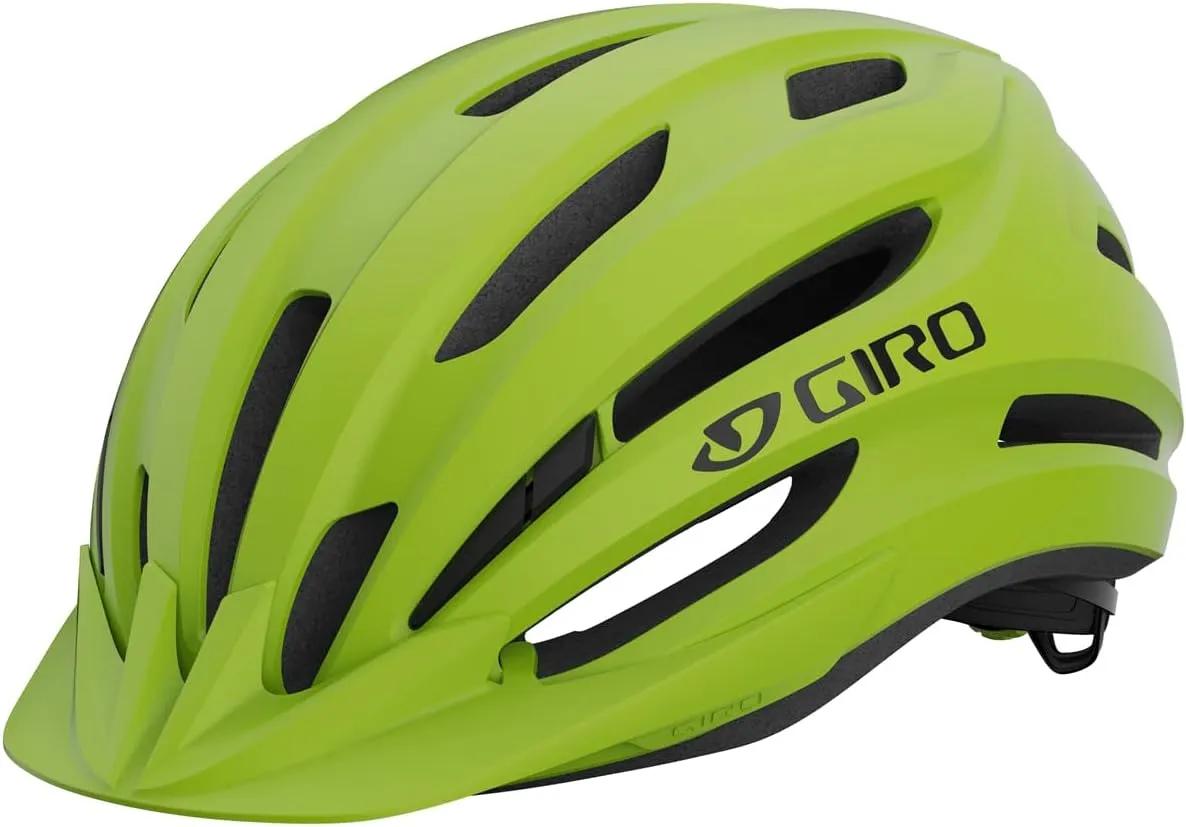
Giro
Register II MIPS
Everyday adult helmet with MIPS and a simple dial fit.
Universal Adult, 54–61 cm
View on AmazonPrice and availability on Amazon
This bike frame size chart translates your height and inseam into centimeter, inch, and letter-size labels for road, mountain, and gravel bikes. Because a frame size is a label rather than a universal body measurement, different riding disciplines use distinct numbering formats. Use height first to establish your baseline size, then confirm inseam and standover clearance for the exact model you plan to ride.
Height
Take shoes off and stand tall, looking straight ahead. A helper should rest a flat object on the crown of your head, then run a tape from the floor to the underside of that object. Save the number in inches and centimeters — charts use both.
Inseam
Stand tall and barefoot with feet slightly apart. Ask a helper to measure vertically from your crotch to the floor. Keep your legs straight and feet flat.
Size
XS / 47-49 cm / 13-14 in
Height
5'0"-5'5"
Inseam: 26-28 in inseam
Size
S / 50-52 cm / 15-16 in
Height
5'5"-5'8"
Inseam: 28-30 in inseam
Size
M / 54-56 cm / 17-18 in
Height
5'8"-5'11"
Inseam: 30-32 in inseam
Size
L / 56-58 cm / 19-20 in
Height
5'11"-6'2"
Inseam: 32-34 in inseam
Size
XL / 60-62 cm / 21-22 in
Height
6'2"-6'5"
Inseam: 34-36 in inseam
Size
48
Height
155-163 cm
Inseam: 69-74 cm
Size
50
Height
161-167 cm
Inseam: 73-77 cm
Size
52
Height
164-171 cm
Inseam: 74-79 cm
Size
54
Height
169-178 cm
Inseam: 77-82 cm
Size
56
Height
176-184 cm
Inseam: 81-86 cm
Size
58
Height
181-190 cm
Inseam: 85-90 cm
Size
61
Height
188-198 cm
Inseam: 89-95 cm
Size
XS
Height
150-160 cm
Inseam: 67-72 cm
Size
S
Height
158-169 cm
Inseam: 71-77 cm
Size
M
Height
167-178 cm
Inseam: 76-82 cm
Size
L
Height
176-188 cm
Inseam: 81-87 cm
Size
XL
Height
186-198 cm
Inseam: 86-93 cm
Size
XXL
Height
193-204 cm
Inseam: 91-98 cm
Size
XS
Height
155-164 cm
Inseam: 70-75 cm
Size
S
Height
162-172 cm
Inseam: 74-79 cm
Size
M
Height
170-179 cm
Inseam: 78-83 cm
Size
L
Height
178-189 cm
Inseam: 83-89 cm
Size
XL
Height
186-197 cm
Inseam: 87-94 cm
Helmet, light, lock, bottle, and a pant-leg strap. Size the bike here; buy the complete adult bike at a shop.
Giro
Everyday adult helmet with MIPS and a simple dial fit.
Universal Adult, 54–61 cm
View on AmazonPrice and availability on Amazon
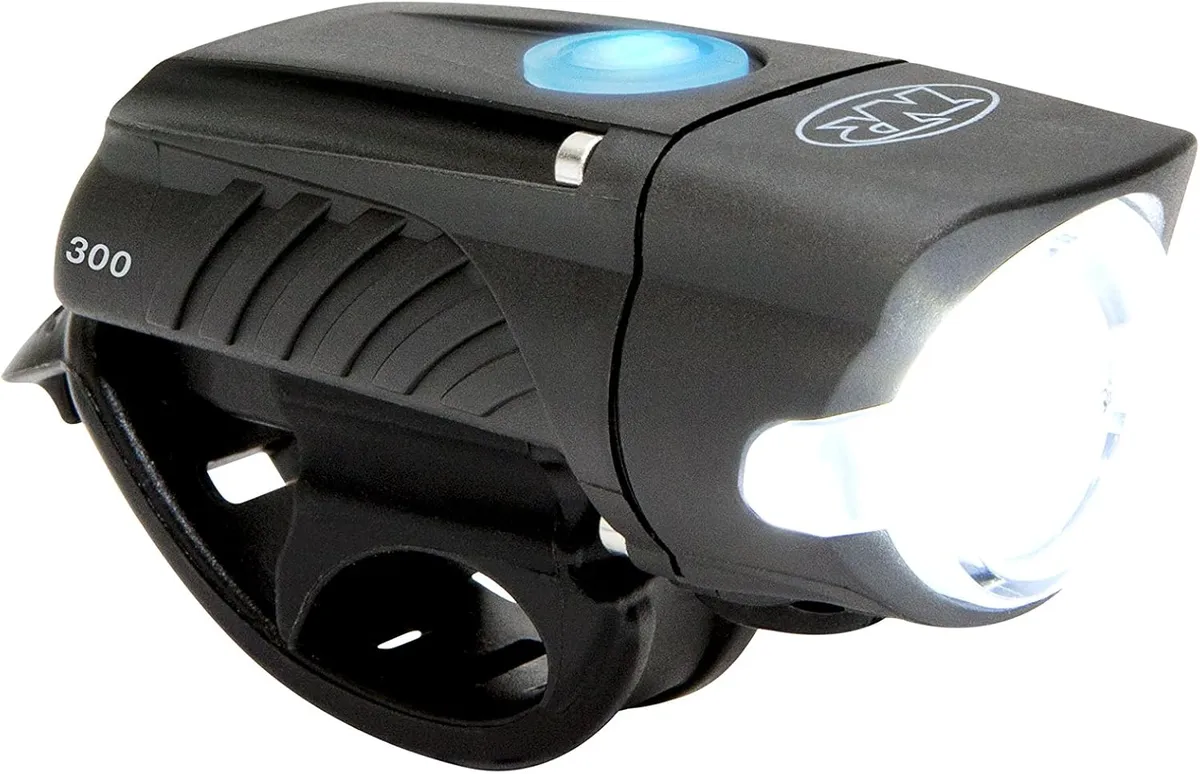
NiteRider
Compact USB headlight for commuting and dusk rides.
Handlebar mount, 300 lumens
View on AmazonPrice and availability on Amazon
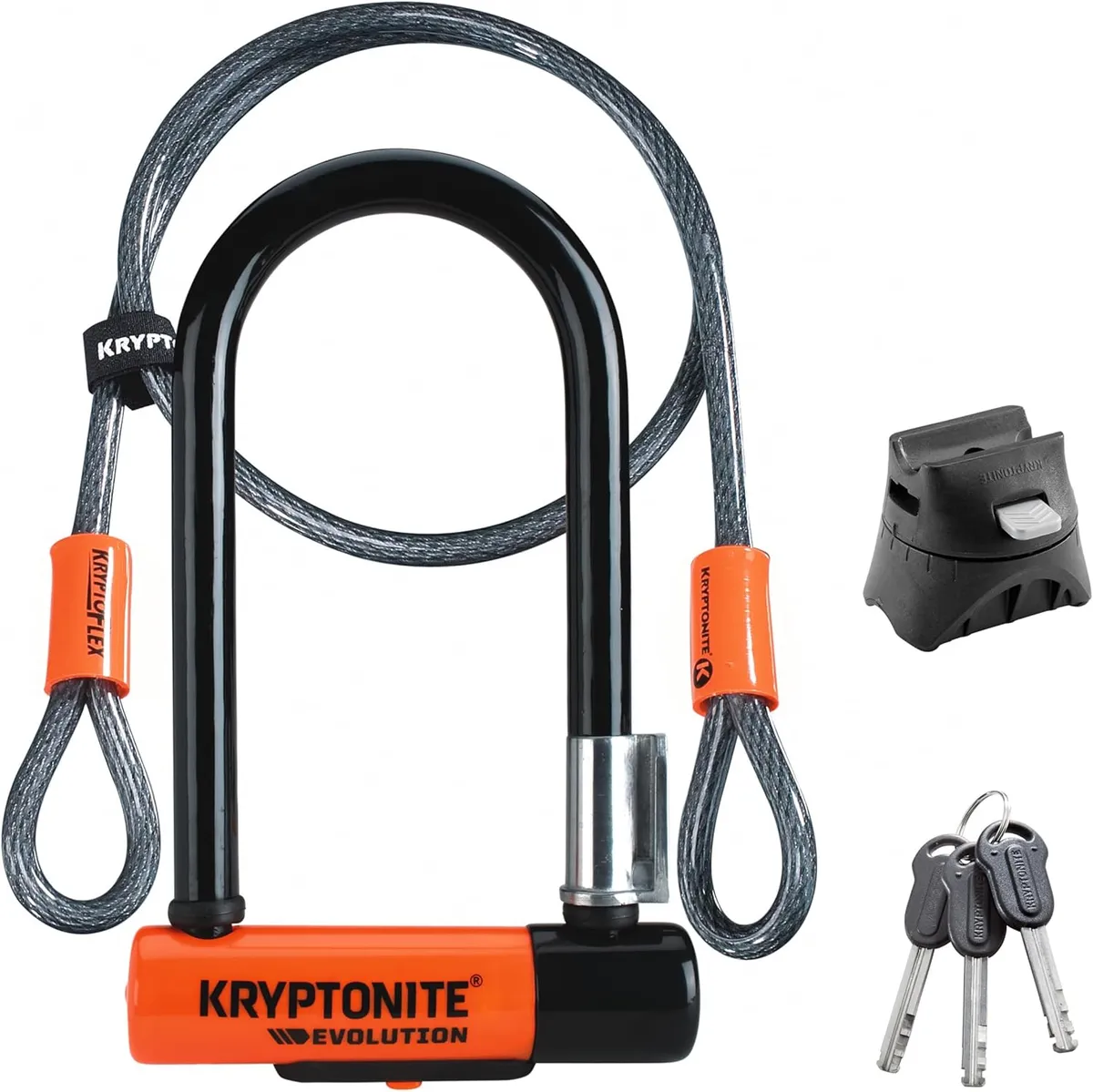
Kryptonite
Hardened U-lock plus a cable for wheels or a locked-together pair.
Fits most road, gravel, and hybrid frames
View on AmazonPrice and availability on Amazon

CamelBak
Insulated squeeze bottle for everyday rides.
Fits a standard ~73 mm cage
View on AmazonPrice and availability on Amazon
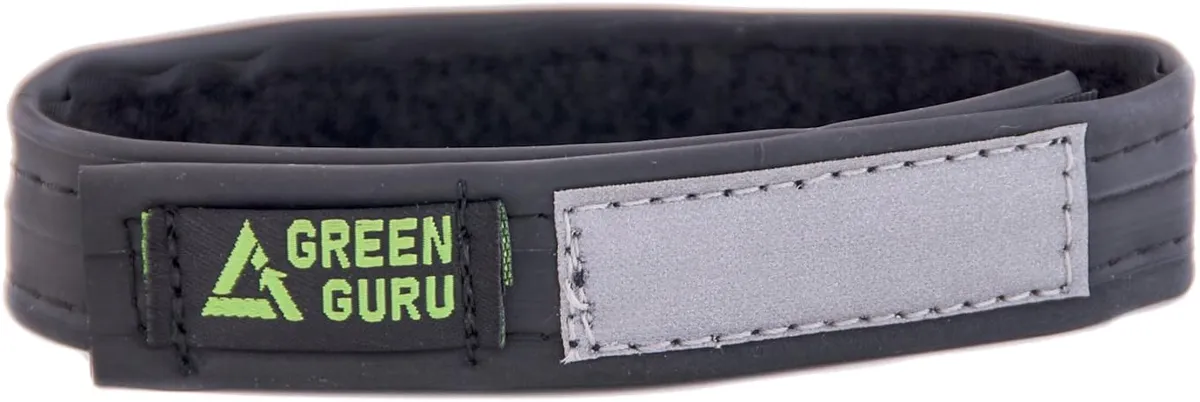
Green Guru
Upcycled inner-tube strap that keeps a pant leg off the chain.
Adjustable hook-and-loop, about 16 in long
View on AmazonPrice and availability on Amazon
As an Amazon Associate we earn from qualifying purchases. Affiliate disclosure.
Bike size calculator
If the chart shows cm, inches, or S/M/L, enter your height and inseam to see which size fits.
The sizing process
Step 01
Stand barefoot with your back against a flat wall and measure from the floor to the crown of your head in centimeters or inches.
Step 02
Place a book firmly between your legs against your pelvic bone and measure the distance from the top of the book spine straight down to the floor.
Step 03
Check whether your intended bike uses centimeters (common for road bikes), inches, or letter sizes (common for mountain bikes).
Step 04
Compare your inseam to the bicycle frame size chart standover height to ensure safe clearance when straddling the top tube.
Step 05
Use a bike frame size calculator or manufacturer geometry table to verify reach, stack, and cockpit fit for your specific model.
Understanding Frame Dimensions
Frame size is a label system, not a body measurement. These checks keep you from moving a number between bike types that do not share one.
A frame size is a label, not a body measurement. Road bikes are traditionally measured in centimeters based on seat tube length, mountain bikes in inches or letter sizes (S, M, L), and hybrid bikes frequently use either system. Knowing your bike frame size by height gives you a reliable starting range, but individual brand geometries vary.
Check: Note which label system your bike type uses before comparing numbers.
Understanding how to measure bike frame size begins with checking the seat tube length from the center of the bottom bracket to the seat tube collar. In addition to frame size, measure your cycling inseam to verify standover clearance over the top tube. Road and gravel bikes generally require 1 to 2 inches of clearance, while mountain bikes require 2 to 4 inches for off-road control.
Check: Measure inseam in cycling shorts, then keep 1–2 inches of standover on road and gravel.
A 54 cm road bike frame size chart recommendation does not translate directly to a 54 cm hybrid or gravel frame. Road bikes feature longer top tubes designed for an aerodynamic posture, whereas mountain bike frame size chart recommendations prioritize lower top tubes and upright control. Always evaluate sizing within the specific bike category rather than transferring a single number across styles.
Check: Compare inside one category: never move a 54 cm label across bike types.
If your height and inseam place you between two sizes, your upper body proportions and brand geometry serve as the tie-breaker. Riders with longer torsos or arms generally fit better on the larger frame for adequate reach, while riders with shorter reach benefit from the agility of the smaller frame. Use height first, then confirm inseam and the exact model before deciding.
Check: Take the smaller size whenever the larger one pushes your reach out.
Related guides
Once you have a starting size, compare the chart for your bike type or exact model.
Complete bike size chart
Explore comprehensive sizing tables covering road, mountain, gravel, hybrid, and commuter bicycles.
Road bike size chart
View detailed centimeter-based road sizing guidance with standover and reach considerations.
Mountain bike size chart
Find the ideal mountain bike frame size in inches and S-M-L labels for trail and XC riding.
How to choose a bike size
A comprehensive guide on measuring your body, evaluating frame geometry, and testing for proper fit.
How to measure a bike frame
Measure seat tube length, effective top tube, and standover on the frame itself.
Gravel bike size chart
Review gravel and all-road frame sizing charts built for endurance comfort and mixed-surface control.
Questions
Quick answers to common bike-sizing questions.
Find your total height on the chart to identify your baseline size range in centimeters, inches, or letter sizes. Then cross-reference your cycling inseam to ensure proper standover clearance on the specific bicycle frame size chart for your bike type.
A bicycle frame size chart is a standardized reference table that matches rider height and inseam measurements to manufacturer frame sizes. It helps cyclists identify the right frame dimensions for comfort, pedaling efficiency, and safe handling.
A frame size chart by height provides an accurate initial estimate, but height alone does not reflect torso length or leg proportion. Confirming your inseam and reviewing manufacturer geometry ensures the bike fits your reach and standover requirements.
To measure bike frame size, measure from the center of the bottom bracket axle to the top of the seat tube where the seat collar sits. Because modern frames often have sloping top tubes, manufacturer geometry tables and standover height are more dependable than seat tube length alone.
Road bikes typically use centimeters, mountain bikes most often use inches or S/M/L letters, and hybrid bikes use either format depending on the brand. Always refer to the sizing convention specified by the bicycle manufacturer.
Your bike frame size by height depends on the riding category; for example, a rider at 5'10" (178 cm) typically rides a 54–56 cm road frame or a medium/large (17–19") mountain bike. Use height first, then confirm inseam and the exact model.
Last reviewed: