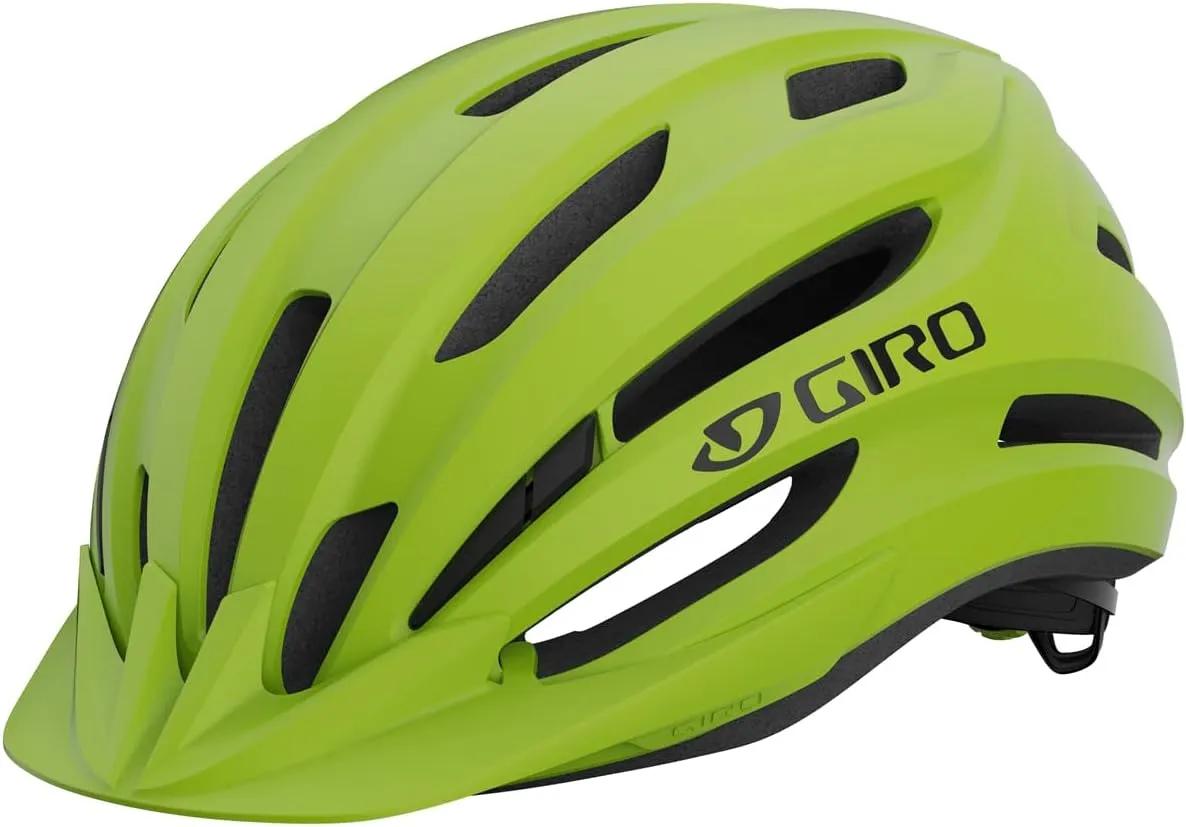
Giro
Register II MIPS
Everyday adult helmet with MIPS and a simple dial fit.
Universal Adult, 54–61 cm
View on AmazonPrice and availability on Amazon
Stack, reach, and standover
Size labels such as 54 or Medium do not mean the same cockpit on every brand. Stack, reach, and standover let you compare published geometry in millimeters.
Choose two different bikes to see stack, reach, and standover side by side. A third bike is optional.
Looking for size labels by height? Open bike size comparisons.
Bike type
Trek Domane SL 5
road
Specialized Roubaix
road
Size
Trek Domane SL 5
54
Specialized Roubaix
54
Stack
Trek Domane SL 5
575 mm
Specialized Roubaix
585 mm+10 mm
Reach
Trek Domane SL 5
374 mm
Specialized Roubaix
381 mm+7 mm
Standover
Trek Domane SL 5
754 mm
Specialized Roubaix
766 mm+12 mm
Stack-to-reach ratio
Trek Domane SL 5
1.54
Specialized Roubaix
1.54
A higher stack-to-reach ratio is typically a taller, more upright cockpit. A lower ratio is typically longer and racier.
Numbers last checked 2026-09-12.
Full size comparison
Trek Domane vs Specialized Roubaix SizeHelmet, light, lock, bottle, and a pant-leg strap. Size the bike here; buy the complete adult bike at a shop.
Giro
Everyday adult helmet with MIPS and a simple dial fit.
Universal Adult, 54–61 cm
View on AmazonPrice and availability on Amazon
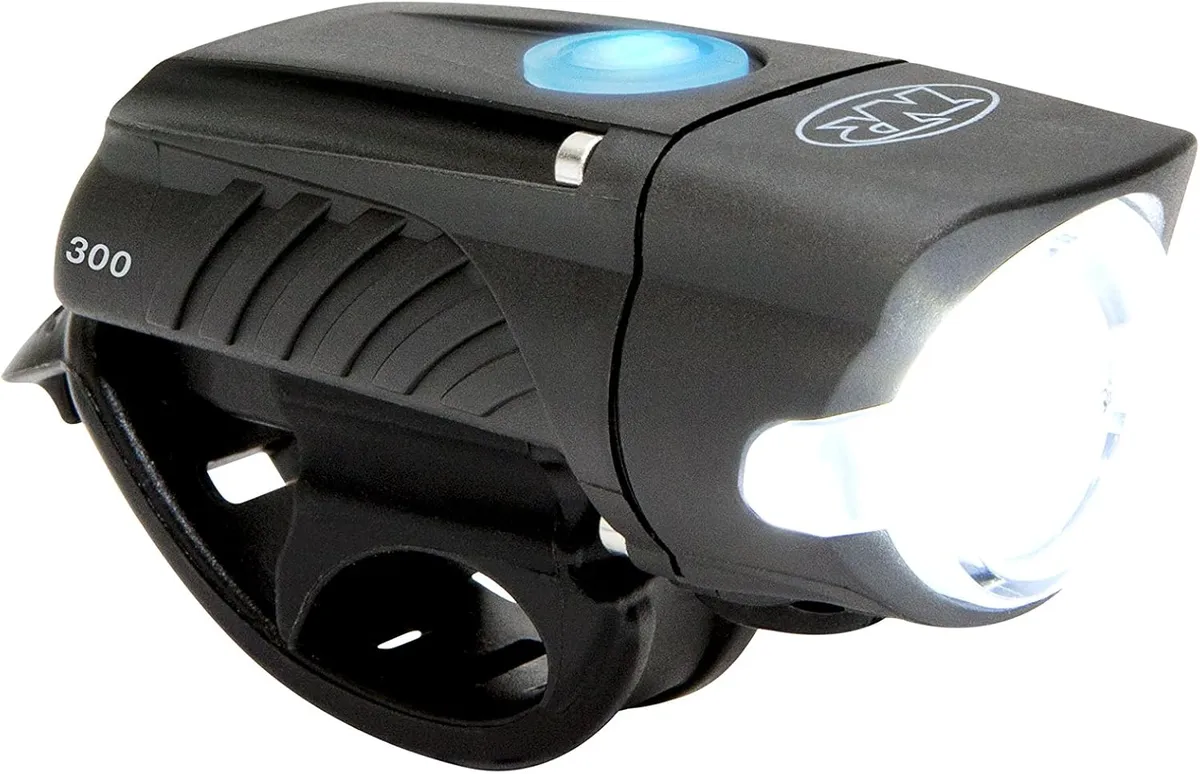
NiteRider
Compact USB headlight for commuting and dusk rides.
Handlebar mount, 300 lumens
View on AmazonPrice and availability on Amazon
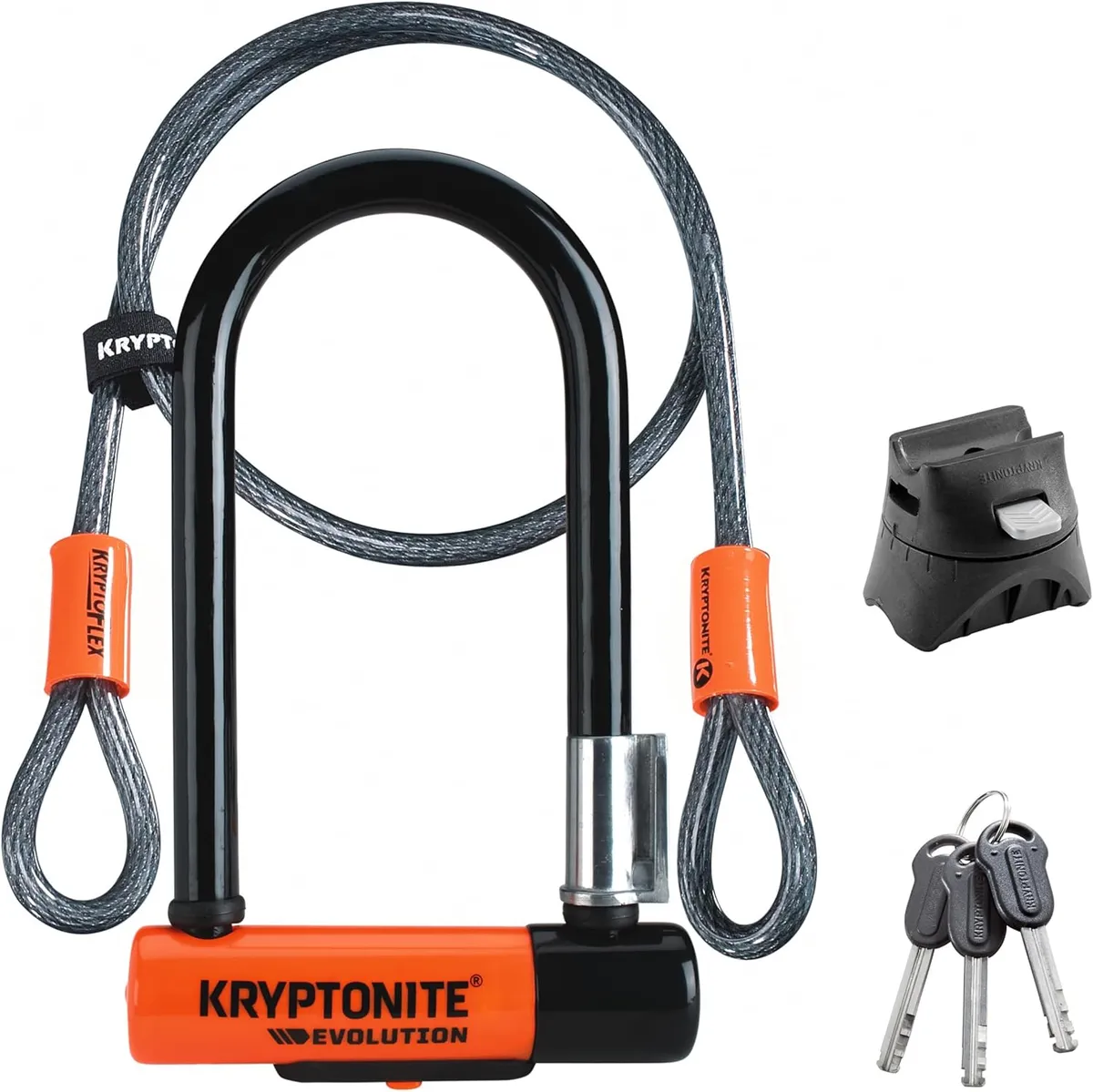
Kryptonite
Hardened U-lock plus a cable for wheels or a locked-together pair.
Fits most road, gravel, and hybrid frames
View on AmazonPrice and availability on Amazon

CamelBak
Insulated squeeze bottle for everyday rides.
Fits a standard ~73 mm cage
View on AmazonPrice and availability on Amazon
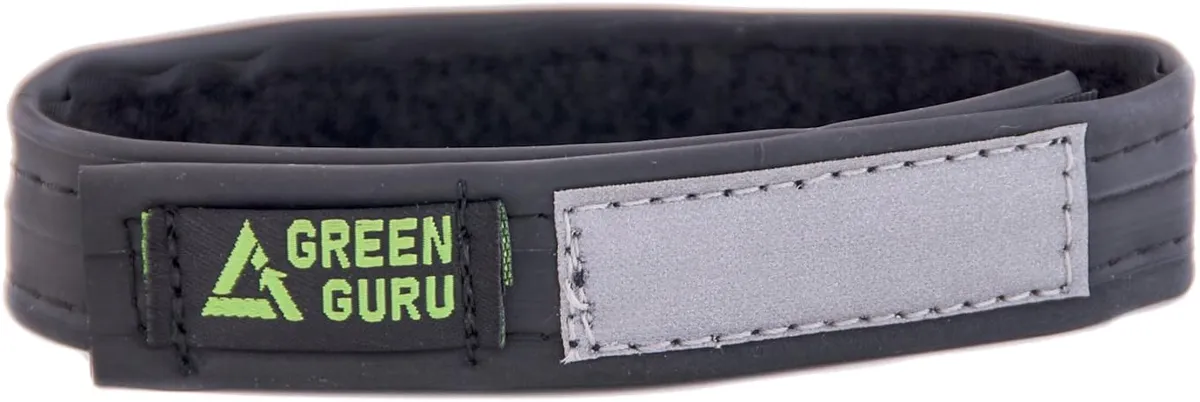
Green Guru
Upcycled inner-tube strap that keeps a pant leg off the chain.
Adjustable hook-and-loop, about 16 in long
View on AmazonPrice and availability on Amazon
As an Amazon Associate we earn from qualifying purchases. Affiliate disclosure.
Short answers for comparing published bike geometry.
Stack is the vertical distance from the bottom bracket center to the top center of the head tube. Reach is the horizontal distance between those same points. Together they describe frame height and length better than a size label such as 54 or Medium.
Standover is the vertical distance from the ground to the top of the top tube. Measurement position varies by brand. If a brand table does not list standover for the compared size, that measurement is shown as not listed.
Divide stack by reach. A higher ratio is typically a taller, more upright cockpit. A lower ratio is typically longer and racier. Use it with the millimeter numbers, not instead of them.
Yes. The numbers still compare cockpit height and length. Riding position, handling, and size labels will not map one-to-one across bike types.
Each bike links to the brand geometry page we last checked. Confirm the exact model year on that page before buying.